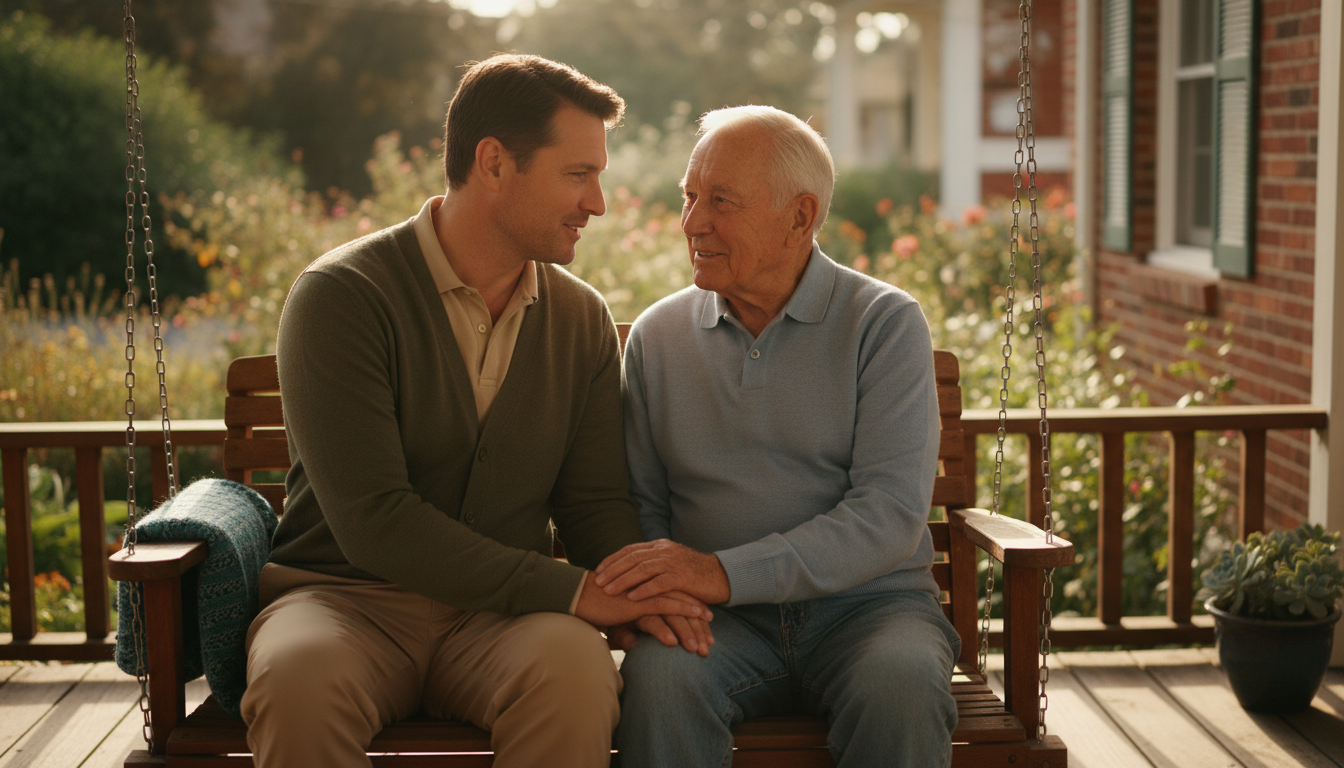

How clear family communication with caregivers leads to better outcomes, fewer surprises, and more peace of mind at home.
Why Communication Matters in Home Care Settings
Home care differs fundamentally from facility-based care because it involves personal homes, family routines, and relationships. Clear communication ensures caregivers understand expectations, families remain informed, and seniors feel respected and safe. Good communication reduces stress and builds emotional security for seniors, helping them feel included in decisions rather than excluded from them.
Key Communication Roles Within the Family
Establishing a primary family contact prevents mixed messages. This person communicates with care agencies and caregivers while collecting input from other family members. Shared decision-making encourages families to discuss care goals together, covering daily preferences, cultural considerations, privacy boundaries, and long-term expectations.
How Communication Improves Caregiver Effectiveness
Caregivers need detailed information about routines, preferences, and triggers. Ongoing feedback allows caregivers to adjust their approach as needs change, and positive reinforcement is equally important as addressing concerns.
Common Communication Challenges
Care decisions can trigger emotional disagreements, especially when adult children live distant or responsibilities feel uneven. Miscommunication between families and caregivers often stems from unclear expectations or undocumented assumptions.
Communication Tools
Written care plans, shared notes, and emergency contact lists provide reference points and prevent confusion. Regular family check-ins help address concerns before they escalate.
Transitions in Care
Proactive discussions about health changes allow families to prepare emotionally and practically. Thoughtful introductions of new caregivers establish trust and reduce anxiety for the senior.
Respectful Communication Practices
Listening as much as speaking and maintaining the senior's dignity by discussing sensitive topics privately. Including seniors in conversations reinforces independence and self-worth.
Long-Term Success Factors
Clear communication prevents caregiver burnout and distributes responsibilities fairly. Consistent and transparent dialogue builds trust that adapts as needs evolve.
Successful home care is built on more than tasks and schedules. It depends on honest conversations, shared understanding, and mutual respect. Strong communication creates supportive environments where seniors feel safe, valued, and empowered.